
9/29/26 (updated)
Current Projects
California RIF Copilot is a sophisticated HR engineering project that converts a complex California reduction-in-force process into a structured, auditable workflow. Its greatest strength is the deterministic core: 10 integrated components supported by 472 unit tests and 69 end-to-end checks. The project also demonstrates responsible design by prohibiting protected characteristics in scoring, blocking ambiguous inputs, and preserving human and legal review. Moving the engine into a six-screen Streamlit website should make the system easier for employment attorneys and HR leaders to test using synthetic data. The most important next step is completing the v1.1.0-beta web demo and gathering feedback from five or six qualified reviewers before investing in production security and real employee data.

The Skills Gap Navigator is an ambitious HR-engineering project that combines employee skill records, job requirements, verified evidence, workforce demand, and learning progress into an explainable alignment system. Its strongest achievement so far is the technical foundation: 15 PostgreSQL migrations and 361 acceptance tests demonstrate that the project is more than a basic concept. The largest remaining challenge is transforming that foundation into a usable product by building the TypeScript API, authentication, permissions, Streamlit interface, and background processes. The project also stands out for protecting employees through human review, correction rights, auditability, privacy controls, equity testing, and appeals. Overall, it has strong portfolio and organizational potential, but it should remain a synthetic-data demonstration until its scoring weights, security controls, legal requirements, and governance processes are independently validated.

CA Worker AI has evolved from an interesting concept into a substantial working prototype, with 26 components, more than 21,000 lines of Python, thousands of test assertions, and a strong refusal-first safety philosophy. CA-Worker-AI-Status-and-Roadmap Its strongest design choice is separating deterministic wage-and-hour calculations from explanations and citations rather than asking an AI model to simply guess what California law means. The biggest weakness is no longer the core programming—it is product readiness, particularly loading and reviewing the legal corpus, completing local wage-rate data, reviewing Spanish content, resolving legal-service/UPL considerations, and building the user interface. CA-Worker-AI-Status-and-Roadmap Moving toward Streamlit first makes sense because it lets you reuse the existing Python engine and test the worker experience before undertaking a much larger Swift/iOS conversion. Overall, the project has moved beyond “an idea for an AI labor-law app” into an HR/legal-tech engineering portfolio project with a credible path toward a real web product, provided the legal validation and worker-safety safeguards remain just as important as adding features.

Past Projects
Prototype 1
The main purpose of this robot is to walk around and collect data. It took a large amount of time to design and construct.
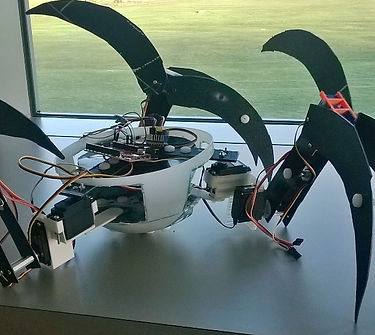
Robot #1 by Manuel (2016)
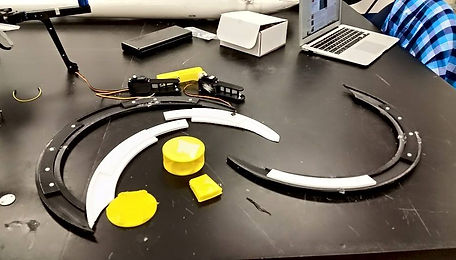
Prototype 2
It is the second prototype of the three-legged robot. This prototype is meant to increase the leg strength compare to the first prototyple.
Robot leg #2 by Manuel (2015)
Plastic Drill
It is a series of drill prototypes which it main purpose was to make a perfect drill. The drill is meant to dig through the earth and collect dirt though the drill.

Plastic drills by Manuel (2016)

Special Car
This car is meant to follow the line depending on the light that bounce back off the road.
Smart Car #1 by Manuel (2016)
Car wash system design
It is a design to test out different types of car wash system designs.
Carwash Design by Manuel (2016)


City of Merced
It is a design that meant to make a great BMX bike park.
Bike Park Design by Manuel (2016)